What Teachers Think About AI in the Classroom
While many professionals enjoy a leisurely weekend morning on Saturdays, Rutgers Alternate Route teachers often use precious weekend time to demonstrate their commitment to professional growth.
This fall, they participated in an invigorating #EdTech chat to discuss strategies for engaging digitally savvy students and leveraging technology in educational practices. Using the hashtags #EdTech and #TeacherEd, educators shared and discovered technology-centered ideas, responding rapidly to questions posed by the Rutgers Alternate Route host account. In just 60 minutes, hundreds of participants tackled five questions on technology use in schools, showcasing the power of social media for professional development.
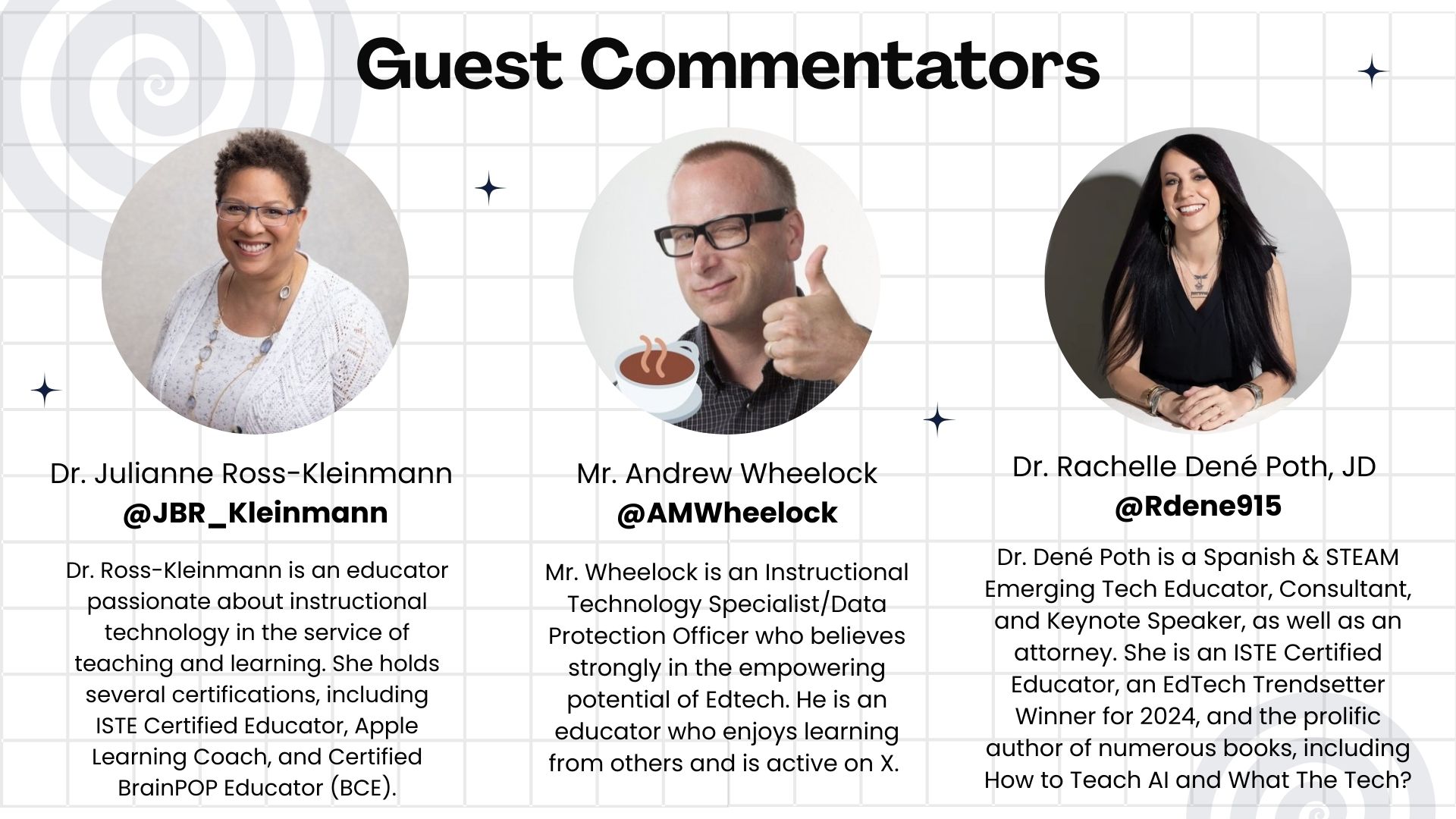
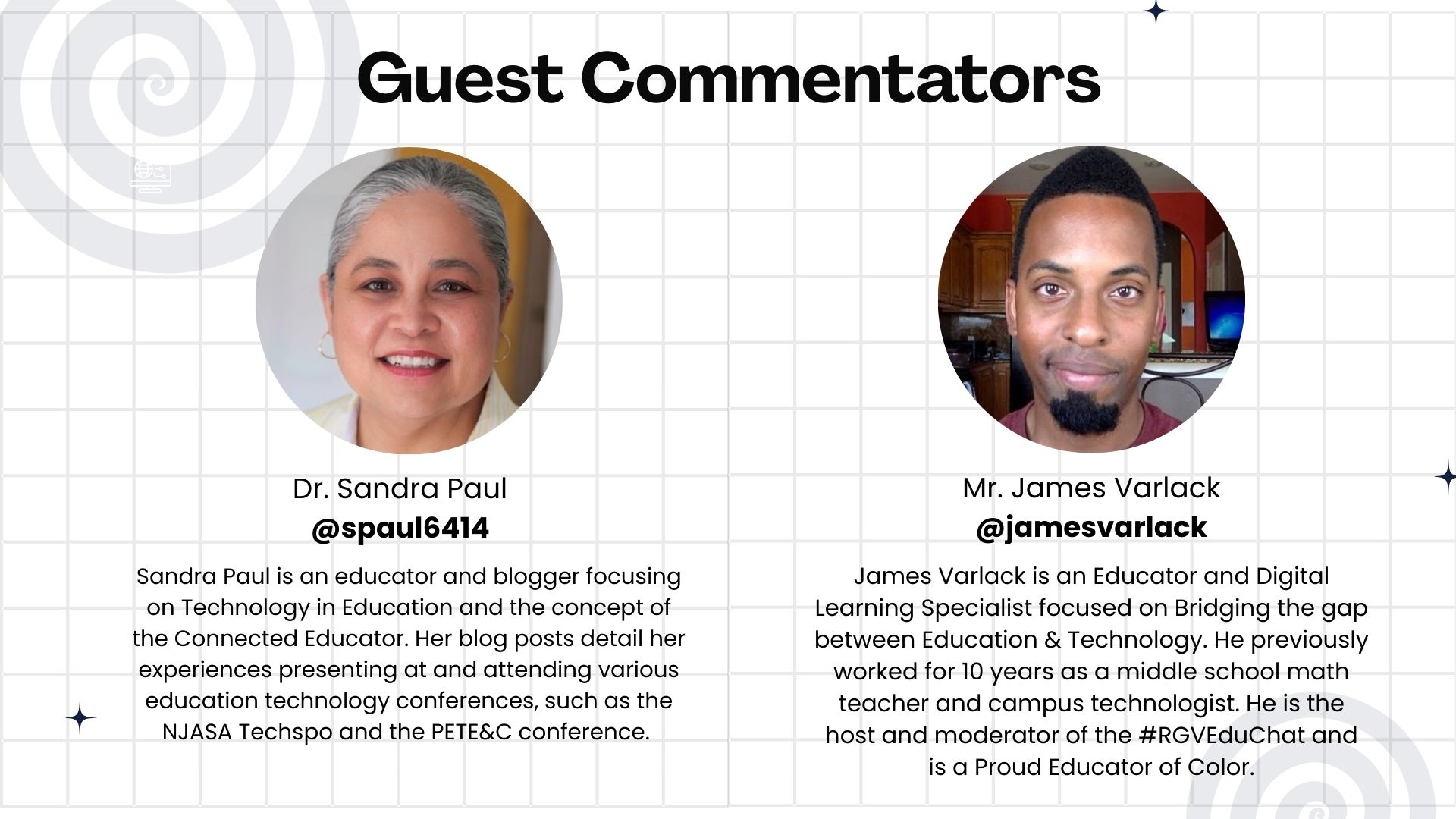
The chat featured an impressive lineup of education leaders who served as guest commentators for the virtual gathering. These technology experts from across the nation included Julianne Ross-Kleinmann, an educator passionate about instructional technology in the service of teaching and learning who also holds several certifications; Andrew Wheelock, an instructional technology specialist/data protection officer who believes strongly in the empowering potential of edtech; Rachelle Dené Poth, a Spanish and STEAM emerging tech educator, consultant, and keynote speaker, as well as an attorney; Sandra Paul, an educator and blogger focused on technology in education and the concept of the connected educator; and James Varlack, an educator and digital learning specialist focused on bridging the gap between education and technology.
The chat's effectiveness was clearly demonstrated by the significant shift in participants' self-reported knowledge levels related to leveraging technology in educational practices. At the outset, only 26% of participants considered themselves "very knowledgeable," with the majority (71%) feeling "somewhat knowledgeable" and a small fraction (3%) reporting they were "not at all knowledgeable." However, by the conclusion of the chat, a remarkable transformation occurred.
The proportion of "very knowledgeable" participants more than doubled to 58%, while those feeling "somewhat knowledgeable" decreased to 41%. Notably, the "not at all knowledgeable" category shrank to just 1%. This dramatic increase in perceived expertise underscores the power of collaborative learning and idea-sharing among educators, highlighting the chat's success in enhancing participants' confidence and knowledge in educational technology.
Embracing Artificial Intelligence
In 2025, no technology conversation can exclude Artificial Intelligence (AI), as we learned during our chat.
AI is quickly becoming a trusted co-teacher in classrooms, and the recent #EdTech conversation shows just how wide its impact has become. Across the thread, four themes stand out: teachers are using AI to plan lessons, create materials, differentiate diverse learners, and handle everyday tasks so they can focus more on students. The posts offer a grounded, practitioner-level view of what “AI in education” looks like in real classrooms.
One of the most common uses is lesson and unit planning support. Teachers describe AI as a collaborative planning partner that helps generate ideas, activities, and even full unit outlines they can adapt to their context.
Ryan Smith (@RynoPride) notes that he inputs his lesson plans and objectives into an AI platform and asks for suggestions to improve them, finding that this enhances both planning and student learning.
Stef Leonard (@stefanileonardd) shares that she uses tools like Google Notebook and MagicSchoolAI to build unit plans and summaries for the books her class reads, then turns those into video supplements she can show in class to reinforce understanding.
Another frequent theme is AI-powered creation of instructional materials. Educators repeatedly point to how quickly they can produce worksheets, rubrics, and extra practice items with AI’s help. One teacher, @hejeiejejejjrje, emphasizes that AI is especially good for making worksheets and rubrics, with the important caveat that teachers should design the core work themselves and then ask AI to edit or refine it. In math and ELA, Monique Tawiah (@MrsMTawiah) describes how she consults AI when she needs quick additional examples or activities to reinforce key concepts, giving her more time to respond to students’ real-time needs.
Differentiation and student learning support also appear in the thread. ESL and multilingual learners benefit from AI’s ability to adjust reading levels and generate vocabulary scaffolds tailored to their needs. Rosa Alvarez (@rosamariaxo__) shares that AI helps her create differentiated materials for her ESL students by adjusting reading levels and building vocabulary supports, which both saves time and improves access to content. Beyond language support, Sandra Paul (@spaul6414) highlights how students can use AI as text to analyze and question, shifting classrooms toward more Socratic, critical thinking–driven discussions rather than one-way transmission of facts.
Finally, many educators are leaning on AI for productivity and organizational support. Several describe AI as a kind of personal assistant that helps with communication and logistics, freeing them to focus on relationships and classroom management. Odera O (@Gucciloafergurl) explains that ChatGPT helps with lesson plans, email drafts, and visual aid designs, reducing emotional stress and allowing more attention to classroom dynamics. Similarly, Rachelle Dené Poth (@Rdene915) notes that AI tools that analyze student progress or generate supports save time and enable more direct work with students, reinforcing the idea that AI is most powerful when it amplifies, rather than replaces, human connection in teaching.
Concerns about AI Use Among Teachers
Educators in the #EdTech conversation are enthusiastic about AI’s potential, but their posts also surface a consistent set of worries. Together, these concerns focus on three big themes: protecting academic integrity and genuine thinking, ensuring tools are accurate and fair, and guarding equity, privacy, and student well-being. The users in this thread show how widespread and grounded these worries are in everyday classroom realities.
Academic integrity and real learning

Many chat contributors worry that AI can tempt students to let “the bot do the thinking” instead of doing the hard cognitive work themselves. Maral (@Maralf9s2) cautions that critical thinking and problem-solving skills may weaken when students lean on AI, and urges teachers to frame AI as a support tool rather than a replacement for reasoning, requiring step-by-step work and explanations from students. Anna Quiesser (@Mookahmum) describes watching how easily her own children can reach for AI, warning that if they do not use it correctly, it can take away from “real learning and understanding.” Echoing this, Riley Giles (@riley_giles13) notes that over-reliance and threats to academic integrity are major issues, calling for clear guidelines and direct instruction in responsible, ethical use.
Accuracy, “hallucinations,” and verification
A second major concern is whether AI-generated content can be trusted. Several educators point out that AI sometimes “hallucinates” and produces incorrect or misleading information, which students may accept uncritically. Zhengyuan Mao Ma (@Zm74Ma) highlights that AI can generate wrong answers and stresses the importance of double-checking outputs, even recommending tools like ZeroGPT to assess for AI-generated responses. Similarly, Ashley Rodriguez (@AshleyRodrodlx) describes the challenge of making sure “facts are actually facts,” explaining that students often use AI for research and then forget that these systems can invent information. Posts by Riley Giles (@riley_giles13) and Tierra Terry (@TTerry12440) push for explicit teaching on what AI can and cannot do, including how to verify AI-generated code, designs, or text, and when AI is appropriate for tasks like debugging, hints, or brainstorming.
Equity, privacy, and student well-being
Access and equity surface repeatedly as structural concerns around AI in schools. Elaine (@Elaine2483) warns that AI can deepen access gaps and misuse without “clear guidelines, safeguards, and equitable tools,” calling for guardrails that ensure all students benefit, not just those with more resources. Maral (@Maralf9s2) flags that access to AI tools themselves can be unequal, while Linta Robert (@LintaRobert) details how not all students have devices or reliable internet, arguing that schools must invest in equitable technology distribution, offline learning options, and more careful handling of student data. In addition to equity and privacy, some posts stress the broader impact of heavy tech and AI use on student health and safety. @sonal_rutgers links excess internet and AI use to mental health challenges, less physical activity, and increased opportunities to cheat, recommending cybersecurity monitoring tools such as iBoss to manage risks. David Nikolas (@DNikolasAltRte) sums up a cluster of challenges—bad information if you do not fact-check, equity of access, student privacy, and the temptation to outsource thinking—explaining that he treats AI like a PLC partner: transparent with students, fully verified, and always keeping final decisions human.
Across these posts, educators like Bianca Pagan (@PaganBianc) and @songrutgers emphasize that the answer is not banning AI but teaching responsible, literate use backed by clear policies and human-centered instruction. Their shared message is that AI can be powerful in classrooms only when it strengthens, rather than replaces students’ thinking and relationships.
Not a substitute for good teaching but a powerful ally
Insights from participants in our fall #EdTech chat demonstrate that Artificial Intelligence is no longer a futuristic concept in education—it is an active, evolving presence in classrooms across the world. Both our new teacher candidates and seasoned educators agree that when used thoughtfully, AI can help teachers plan better, reach diverse learners, and manage their everyday workload more efficiently. Yet, these same educators remind us that innovation must go hand-in-hand with integrity, accuracy, and equity.
Ultimately, embracing AI in education means embracing its creative potential but with a set of clear boundaries for its use. The future of teaching will depend not only on what AI can do, but on how educators, students, and policymakers shape its role in nurturing critical thinking, curiosity, and connection. The challenge ahead is not to decide whether to use AI, but how to use it well while keeping human judgment, empathy, and purpose at the center of every learning experience.
The chat content, which is curated in the Wakelet collection here, can be mined for all of the rich teaching tools and tips participants shared.
If you’re considering following your dream of teaching, Rutgers Alternate Route can offer you the support and training you need to succeed. Be sure to follow Rutgers Alternate Route on Twitter and sign up for Alternate Route’s monthly newsletter for more information and stories from the field of education.
 Sara Hanafi is an undergraduate at Rutgers University-New Brunswick where she is working towards a degree in Cell Biology & Neuroscience. She has worked with Rutgers-GSE as a student colleague supporting data and communications initiatives since March 2024. Published works by Sara are completed in collaboration with the Rutgers Alternate Route Team.