How Teachers Can Create Safe Schools with Kindness
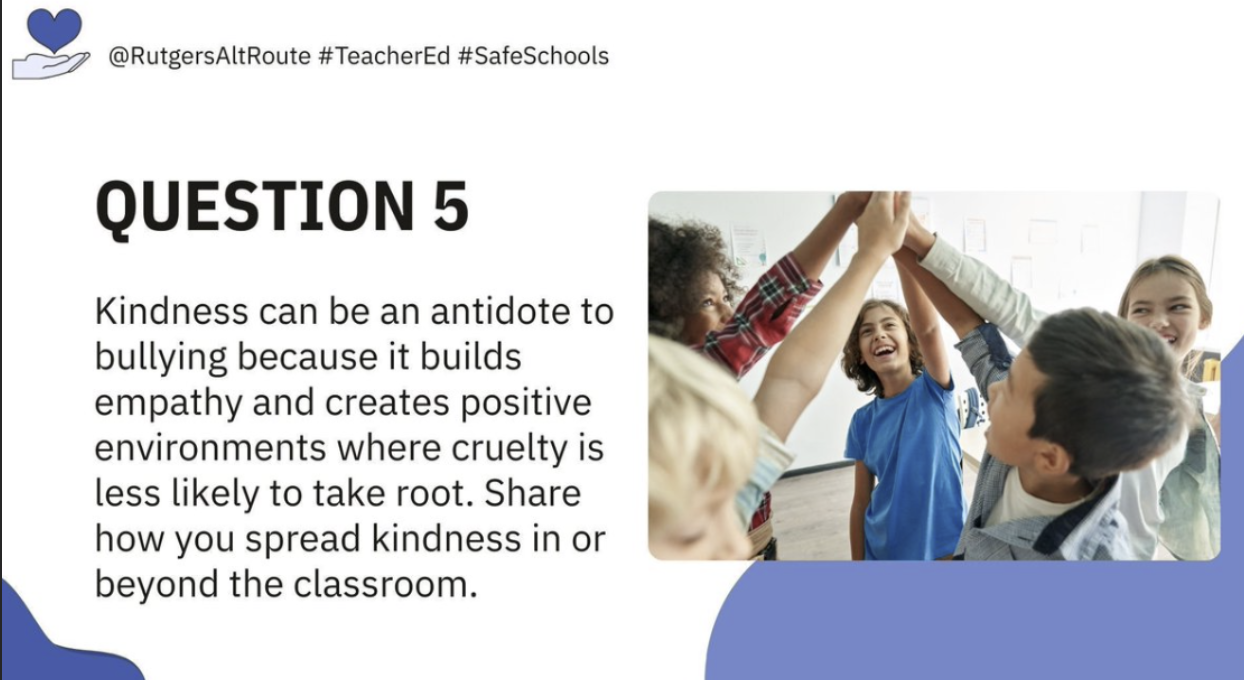
Bullying prevention is often discussed in terms of policies, consequences, and interventions, but at its heart, it is deeply human. In our recent X chat on #SafeSchools and #TeacherEd, aspiring and current educators reflected on how kindness can serve as a powerful antidote to bullying by fostering empathy, connection, and trust. Their responses reveal that safe schools are not built overnight or through one-time initiatives, but through consistent, intentional acts that shape classroom culture and community norms.
For new teachers, these reflections offer more than inspiration; they provide practical insight into how everyday choices can help create learning environments where students feel respected, included, and empowered to treat others with care.
Setting the Tone: Kindness as Classroom Culture
Many participants emphasized that kindness begins with the emotional environment educators create. Emily Stevens (@EmilyAStevens33) highlighted the importance of maintaining positive energy, especially when working with middle school students, noting that her role as an art teacher allows her to cultivate a space where students can experiment freely without fear of judgment. This sense of safety is critical during a developmental stage when students are particularly vulnerable to peer pressure and bullying.
Similarly, Lana Storey (@MsLStorey) described intentionally grounding her classroom in kindness and understanding, even displaying a sign that reads “Have Courage and Be Kind.” By approaching every situation from a place of empathy, educators set clear expectations for how students treat one another—and model what respect looks like in practice.
These responses underscore a central theme: kindness is not just something we encourage students to practice; it is something educators must actively embody.
The Power of Small, Everyday Acts
Across responses, candidates consistently pointed to small, routine actions as the foundation of kinder, safer school environments. Emilia Kudelko (@EmiliaKudelko) reflected on the cumulative impact of everyday gestures—complimenting students, greeting them by name, celebrating small wins, and checking in on peers. Yoo Jin Shin (@yoojin854) echoed this sentiment, emphasizing gratitude and intentional opportunities for students to support and uplift one another.
For younger learners, these moments are especially formative. LKM (@LKM34534474) shared how greeting students warmly each morning, listening attentively to their stories, and engaging in activities like writing thank-you notes or get-well cards helps normalize empathy as part of daily classroom life.
Together, these responses highlight how kindness does not need to be elaborate or time-consuming. When practiced consistently, small acts can build a classroom climate where students feel seen and valued—and where bullying behaviors are less likely to thrive.
Encouraging Empathy, Inclusion, and Peer Support
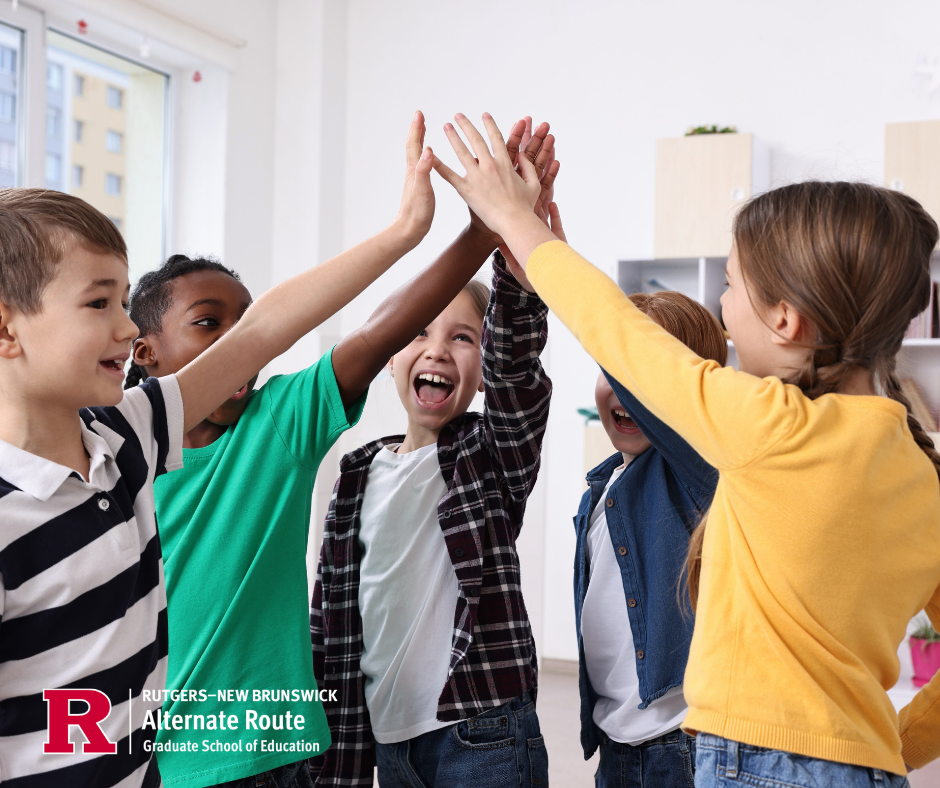
Another recurring theme was the importance of helping students recognize and support one another. Tristin Konen (@tristin31494) described spreading kindness by noticing when someone needs help—whether it’s a classmate struggling academically or a student feeling socially excluded—and encouraging teamwork and shared success.
Biljana Pinto (@b_cassiopeia) reinforced this approach by reminding students to consider how their actions make others feel, grounding classroom expectations in the principle of treating others as one would want to be treated. Andrew Holt (@AHolt9387) brought energy and affirmation into the mix, proudly describing himself as a “hype person” who celebrates growth, individuality, and effort in all its forms.
Other educators shared structural ways of reinforcing kindness. Jannier Walker (@JannierWal34434) mentioned encouraging collaboration and recognizing acts of kindness through reward systems, while Sharmane Miller (@MillerShar51552) highlighted a school-wide initiative, Leader in Me, that publicly acknowledges students who demonstrate kindness—helping positive behaviors ripple throughout the school community.
Extending Kindness Beyond Students
Many candidates emphasized that kindness must reach beyond individual student interactions to shape the overall culture of a school. Pratibha Maurya (@PratibhaMa47371) shared how small, intentional actions, greeting students warmly, celebrating progress, and offering encouragement, extend naturally into supporting colleagues, sharing resources, and uplifting others within the school community. These practices reinforce the idea that kindness is not confined to one classroom but is a collective responsibility among educators and staff.
Several responses highlighted the power of school-wide systems that make kindness visible and valued. Ashley Rodriguez (@AshleyRodrodlx) described celebrating kindness through monthly awards and a positive behavior box, while Andrew Mittleman (@RouteAlt37105) shared a “Month of Kindness” initiative where students submit notes recognizing acts of kindness that are read aloud to the entire school. These shared rituals elevate empathy into a community norm and signal that kindness is worthy of recognition at every level.
Educators also noted that modeling kindness consistently, especially during challenging moments, has a lasting impact. KG Gordon (@KGGordon1) reflected on choosing patience, compassion, and respectful language even when students struggle, showing learners what a kinder response looks like in real time. Others, such as Dianne Morin (@dtsmorinRU), extended kindness through extra support outside instructional time, helping students one-on-one during lunch, prep periods, or after school to ensure no one feels left behind.
A Lasting Lesson for Future Educators
The voices from our #SafeSchools and #TeacherEd chat make one thing clear: kindness is not a soft skill or an add-on but a foundation to effective teaching and bullying prevention. Whether through small daily gestures, intentional classroom culture, or school-wide recognition, these new teachers demonstrate that kindness can be taught, modeled, and sustained.
As future teachers enter the profession, these reflections serve as a powerful reminder: the environments we create today shape how students learn to treat others tomorrow. When kindness is centered, safe schools are not just possible; they become the norm.
The chat content, which is curated in the Wakelet collection here, can be mined for all of the rich teaching tools and tips participants shared. Check it out!
If you’re considering following your dream of teaching, Rutgers Alternate Route can offer you the support and training you need to succeed. Be sure to follow Rutgers Alternate Route on Twitter and sign up for Alternate Route’s monthly newsletter for more information and stories from the field of education.
 Sara Hanafi is an undergraduate at Rutgers University-New Brunswick where she is working towards a degree in Cell Biology & Neuroscience. She has worked with Rutgers-GSE as a student colleague supporting data and communications initiatives since March 2024. Published works by Sara are completed in collaboration with the Rutgers Alternate Route Team.