Creating Classroom Environments Where Every Student Feels Safe and Included
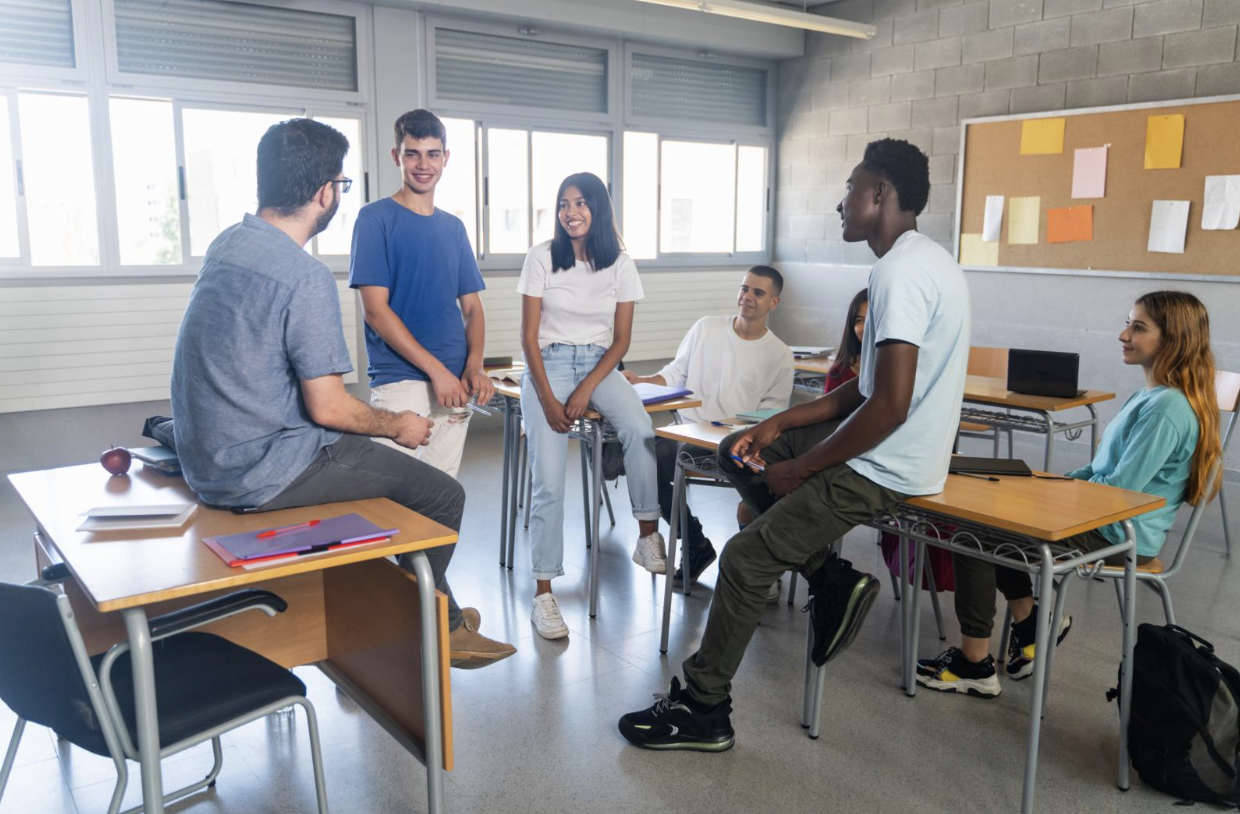
Fostering safe and inclusive learning spaces is essential for students’ academic achievement and emotional well-being.
A recent social media discussion underscored the need to empower educators—particularly those new to the profession—with practical tools to prevent and address harassment, intimidation, and bullying (HIB) in schools, which works against emotional safety for students.
The outcomes of this virtual exchange were striking. Before the chat, 0.36% of participants described themselves as “not at all knowledgeable” about reducing HIB, 45.88% as “somewhat knowledgeable,” and 53.76% as “very knowledgeable.”
Following the session, no participants remained in the least knowledgeable group. The “somewhat knowledgeable” responses dropped to 11.34%, and the percentage identifying as “very knowledgeable” rose sharply to 88.66%.
The recent chat featured the sage advice of seasoned educators who served as guest commentators, affirming new teacher practices and expanding their ideas with additional considerations. Panelists shared invaluable insights and practical strategies for fostering positive school climates and addressing bullying behaviors, demonstrating a commitment to enhancing the learning environment.
Dr. Annette C. Anderson, Assistant Professor at the Johns Hopkins School of Education and Deputy Director of the Center for Safe and Healthy Schools, brought a research-informed perspective grounded in her experience as a teacher and school leader.
Mr. Neel Desai, a “teacher first” elementary principal in New Jersey, shared practical insights from his work leading a K–3 school and engaging families and communities.
Dr. Eva Gibson contributed expertise in school counseling and mental health, drawing on over a decade of experience and her leadership at the state and national levels.
Dr. Scott Rocco reflected on his career as a teacher, administrator, and superintendent, emphasizing innovation, communication, and preparing students for the future.
Together, these speakers offered thoughtful, experience-driven perspectives that resonated deeply with new teacher participants.
Advancing school safety starts in the classroom
Creating truly safe schools requires more than physical safety measures—it depends on the relationships, routines, and sense of community cultivated within the classroom. When students feel seen, respected, and supported, they are more likely to thrive both academically and emotionally.
Guest commentators and Rutgers Alternate Route teacher candidates shared practical, student-centered strategies that go beyond security cameras and metal detectors. Participants emphasized building strong relationships, clear expectations, and a supportive classroom culture as the foundation of a safe learning environment.
Several educators highlighted the importance of clear rules and a calm, welcoming classroom. Charles Quaderer [@MrArtQD2] shared that he posts rules and expectations visibly and makes it clear he does not tolerate disrespect or disruptive behavior, which helps create a calm and inviting space where students feel comfortable.
Genaro Medina [@GenaroMedi68409] added that fostering a positive, caring, and respectful rapport with students promotes safety, along with using effective, collaborative instruction and arranging the classroom to feel welcoming.
Strong communication with families and students was another key theme.
Ugochukwa Anodu [@anodu_25] explained that by setting clear expectations and building trust, he keeps families informed and involved, while also teaching students about safe spaces and what to do in difficult situations. Rasheedah Canty [@RasheedahEDU] described advancing school safety by creating a predictable, nurturing environment where children learn to manage emotions, interact kindly, and know when and how to seek adult support.
Social-emotional learning (SEL), mental health, and anti-bullying efforts came up repeatedly.
Louis Castellano [@TeachNewark9] stressed creating security around mental health and SEL, providing staff training, and cultivating a positive environment. Sharmane Miller [@MillerShar51552] noted that teaching students about empathy and respecting others’ values and personal space can reduce conflict and sometimes prevent bullying.
A broader, systemic view of safety was also shared.
Dalia Seyam [@DaliaSeyam83] outlined a comprehensive approach that includes strengthening physical safety, enhancing social-emotional and mental health supports, building anti-bullying and positive attitudes, improving digital and community safety, ensuring culturally responsive and inclusive practices, and empowering students through leadership.
Together, these responses show that advancing school safety is about consistent routines, strong relationships, SEL, and a whole-school commitment to care and inclusion.
How bullying impacts students
In a follow-up to their school safety discussion, candidates described a range of HIB behaviors they’ve observed—from subtle exclusion and teasing to physical shoving and cyber comments—and emphasized how even small incidents can deeply affect students’ emotional well-being and learning.
Several teachers shared specific examples of HIB they’ve witnessed.
Dianne Morin [@dtsmorinRU] described a situation where a female student approached an autistic student and asked him to dance at prom, which at first seemed kind, but her friends were laughing, and the targeted student became visibly upset and started stimming, showing he recognized the insincerity. Jacqueline Kocur [@Jacquelinexaz1] reported seeing teasing among boys and having to escort students out of her room after conflicts escalated to shoving, which disrupted instruction and made other students uncomfortable.
Other educators noted more social and emotional forms of HIB.
Tuhina Eyasmin [@etusohel], working in an ABA classroom for Grades 1–2, observed that while overt bullying is rare, there are instances where a group of students excludes a particular child from playtime, which can hurt that child emotionally. Rachel Seay [@SeayRachel49072], teaching Pre-K, has seen early forms of HIB such as exclusion, unkind words, and students copying hurtful behaviors they see elsewhere, which can impact confidence and friendships even at a very young age.
Participants also highlighted how HIB behaviors affect students’ academic and social engagement.
Rosa Alvarez [@rosamariaxo__] noted subtle exclusion, repetitive teasing, and cyber comments between students, all of which can hurt confidence, reduce participation, and cause students to withdraw socially or academically. Stef Leonard [@stefanileonardd] pointed out that when students are preoccupied with personal conflicts, they struggle to focus on schoolwork and can’t learn effectively if they don’t feel safe.
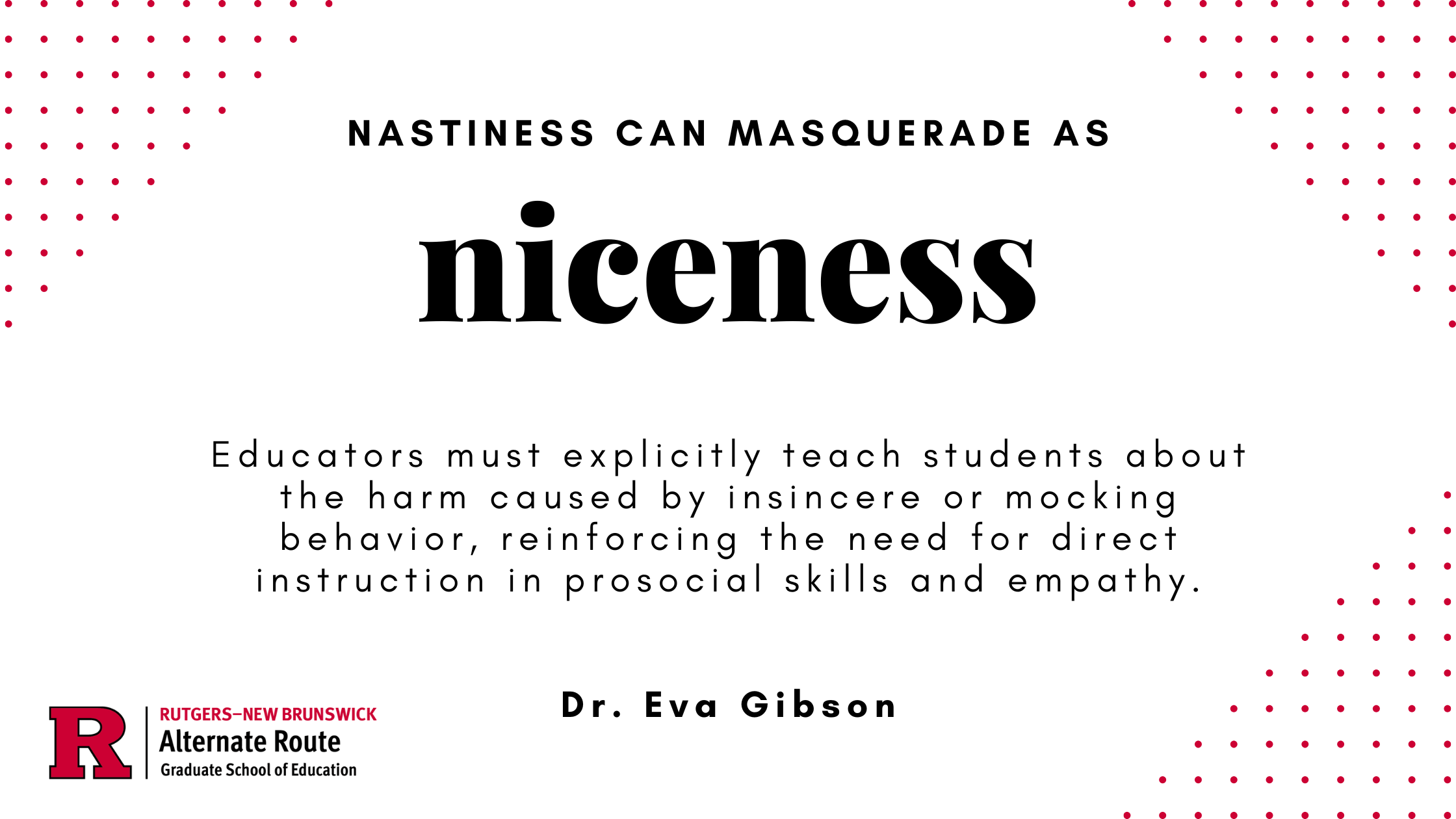
A broader view of the impact came from Dr. Eva Gibson [@gibson_dr], who explained that HIB behaviors make students more likely to disengage and experience negative academic and socio-emotional outcomes. This was supported by follow-up observations that “nastiness can masquerade as niceness,” and that educators must explicitly teach students about the harm caused by insincere or mocking behavior, reinforcing the need for direct instruction in prosocial skills and empathy.
Responding when students seek support
While still early-career educators, our teachers recognize that addressing bullying and harassment requires more than policy—it calls for compassion, awareness, and action from every adult who interacts with students. They understand that they play a vital role in recognizing signs of student distress and shared practical, trauma-informed ways for adults to respond when students seek support around bullying and harassment. Many responses focused on how teachers and staff can create a safe space for students who are being bullied, bullying others, or witnessing harmful behavior, while also honoring their role as mandated reporters.
Several educators emphasized the importance of calm, compassionate listening.
Dur-re-Shahwar Marshall [@SittinPrettyRee] noted that the most effective immediate response is active, non-judgmental listening that validates the student’s feelings and reassures them they are right to seek help, followed by a referral to school counselors or mental health professionals. Mary Carmen [@Mary_CarmenRR] and Andrea Urrea [@dreaxspanish] echoed this, advising adults to listen without judgment, validate emotions, stay calm, ask open-ended questions, and avoid minimizing the student’s experience.
Being clear about reporting responsibilities while still building trust was another key point.
Stef Leonard [@stefanileonardd] shared that when students come to them with HIB issues, they always let the student talk it out first, but make it clear up front that they are a mandated reporter. They’ve found that students are often more willing to share once they understand the adult is required to act, and they continue to check in with that student over weeks or months to ensure they feel progress is being made.
Participants also highlighted the need to support all students involved, not just the target.
Monique Tawiah [@MrsMTawiah] reminded the group that bullying often stems from deeper emotional pain, so it’s important to correct the behavior while also being open to supporting both the bully and the target in addressing the root issues, noting that “hurt people hurt people.” Jacqueline Kocur [@Jacquelinexaz1] added that teachers should assess the whole child, communicate with trusted adults, and involve the school counselor or administration when needed, especially if a situation turns violent.
Finally, several educators stressed the importance of involving families and school systems.
Tuhina Eyasmin [@etusohel] pointed out that parents should maintain an open, ongoing channel with school officials and counselors to support their child when issues are reported. Dr. Eva Gibson [@gibson_dr] highlighted that social and emotional learning (SEL) programs are a powerful resource, linked to better social, emotional, and academic outcomes and lower rates of juvenile delinquency, reinforcing that SEL should be part of the broader response when students seek help.
Empowering students to become upstanders against bullying
Encouraging students to stand up for one another is a powerful step toward creating safer, more inclusive school communities. When young people learn how to respond to unkind behavior with empathy and courage, they help build environments where everyone feels valued.
Educators shared concrete, classroom-tested ways to empower students to become upstanders instead of bystanders when they see bullying or unkind behavior. Teachers agreed that building a culture of empathy, respect, and belonging is key, and that adults play a critical role in modeling and teaching what it looks like to speak up safely.
Many educators stressed the importance of teaching students specific skills and language.
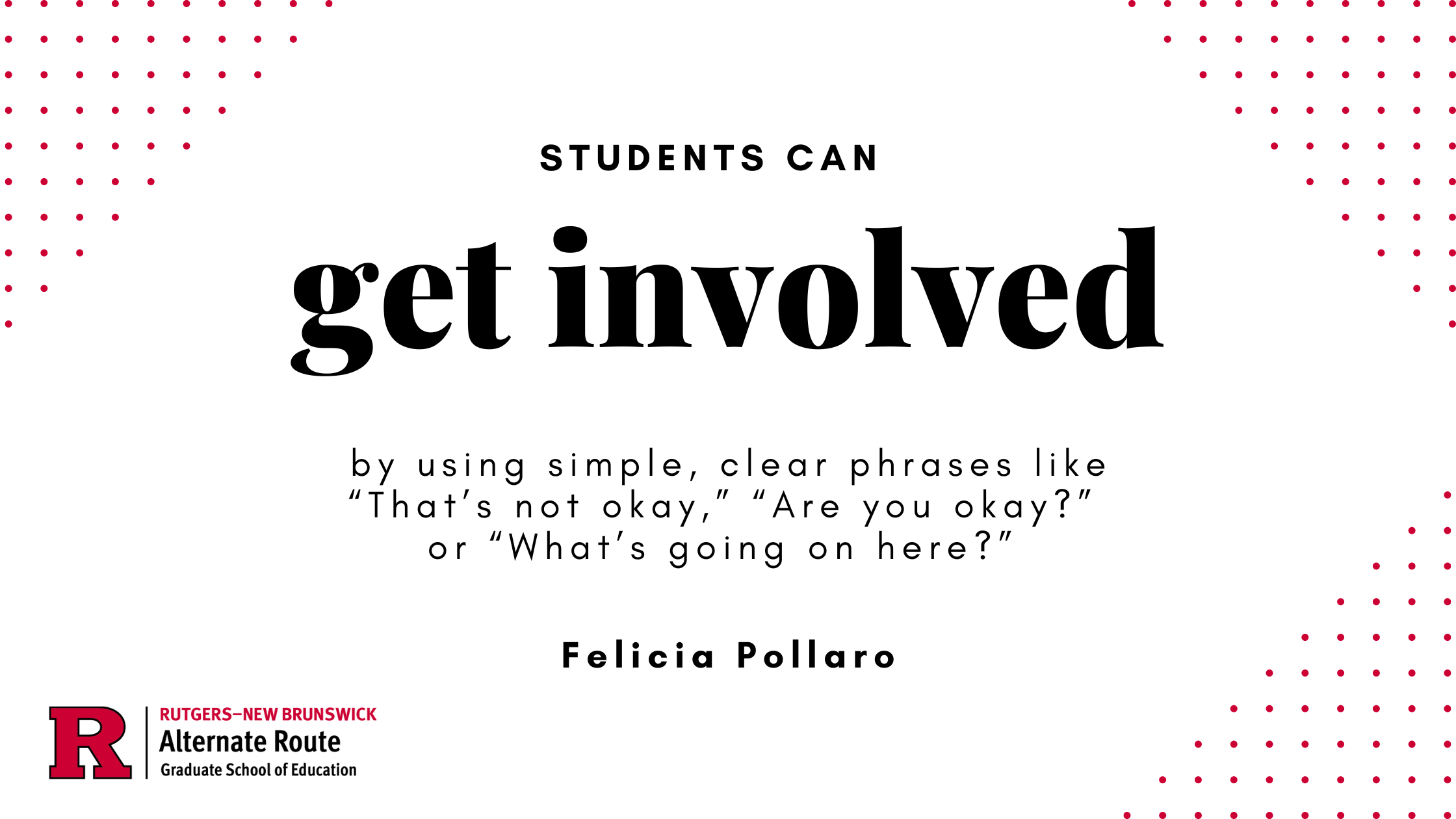
Felicia Pollaro [@feliciateaching] explained that students can get involved by using simple, clear phrases like “That’s not okay,” “Are you okay?”, or “What’s going on here?” and that empowering them means teaching those scripts, along with SEL and empathy. Muhammad Nadeem Mirza [@muhammadna12231] and Cris Chafer [@crisf64414] added that students need concrete strategies—speaking up safely, offering support to peers, reporting concerns, and modeling kindness—along with practice through scenario discussions and clear steps for intervening.
Modeling and culture-building came up repeatedly as essential.
Alice Mako [@alice_mako99191] noted that teaching students agency, empathy, and accountability helps them become upstanders, and that sharing one’s own stories of being an upstander can be powerful. Kevin Li [@KevinLi377577] and Luke Pickett [@LukePickett001] emphasized establishing classroom norms that celebrate kindness, inclusion, and respectful interactions so that helping others becomes the everyday norm. Lysnel Valentin [@msvalcap2889] shared that kids speak up more when they feel seen and supported, and that modeling kindness, making mistakes, and learning together (not just academically) builds that trust.
Participants also highlighted the need to make upstander behavior visible and valued.
Maliha Nadeem [@malihanadeem15] recommended promoting anonymous reporting systems, modeling upstander behavior consistently, and publicly recognizing students who intervene safely. Andrew Holt [@AHolt9387] and Arunima Kuila [@ArunimaKui16405] stressed the importance of praising and rewarding students who are uplifting and encouraging, while also addressing bad behavior quickly, and creating an environment where all identities are respected and students feel they belong.
Finally, several educators focused on ongoing conversations and community.
Paula Bell [@bell673916] pointed out that turning bystanders into upstanders is difficult in a world where people often don’t want to get involved, so adults must model and promote empathy to change that mindset. Lindsay Pierre [@LMOPofJ] suggested regular discussions about empathy, fairness, and inclusion, using stories of real upstanders, literature, and media examples so students can reflect and internalize those values.
Together, these responses show that empowering upstanders is about clear expectations, practiced skills, consistent modeling, and a school-wide commitment to kindness and courage.
The chat content, curated in the Wakelet collection here, can be mined for the rich teaching tips participants shared. Check it out!
If you’re considering following your dream of teaching, Rutgers Alternate Route can offer you the support and training you need to succeed. Be sure to follow Rutgers Alternate Route on Twitter and sign up for Alternate Route’s monthly newsletter for more information and stories from the field of education.
 Heather Ngoma has over 25 years of experience collaborating with educators across New Jersey to drive education innovation. She currently serves as the Director of the Rutgers-GSE Alternate Route Program in the Department of Learning and Teaching, a program which helps career changers, recent college graduates, and other aspiring education professionals become licensed teachers in New Jersey. Follow her on Twitter @heatherngoma.