Micro-credential Awarded to New Jersey Alternate Route Teachers

Candidates in the Rutgers Alternate Route program embark on a year-long reflective journey designed to stimulate their growth as career educators and make immediate improvements to their current teaching practice. Candidates review evaluations from their district principals and supervisors and subsequently create action plans to strengthen their teaching practices in low-scoring areas while building on those rated proficient.
The program facilitates opportunities for candidates to explore the Danielson Framework for Teaching and self-assess the alignment of their teaching practices with the various criteria in the protocol. Additionally, candidates submit a professional portfolio that showcases their reflective teaching skills and helps assess their effectiveness in planning, instruction, and assessment. They work with a team of seasoned educators assembled to serve as advisors and accountability partners to the new teachers. They also receive guidance from content-area coaches who review their portfolios, highlight noteworthy components, and suggest improvements.
The professional reflective practice of teacher candidates in the program plays a vital role in effective instruction and meaningful student learning. When new educators engage in self-reflection, they can identify both their strengths and areas for growth, allowing them to set purposeful goals and enhance their students' overall learning experience. Reflection also helps teachers examine the reasoning behind their instructional choices, fostering greater intentionality and responsiveness in their practice for stronger student engagement and improved academic outcomes.
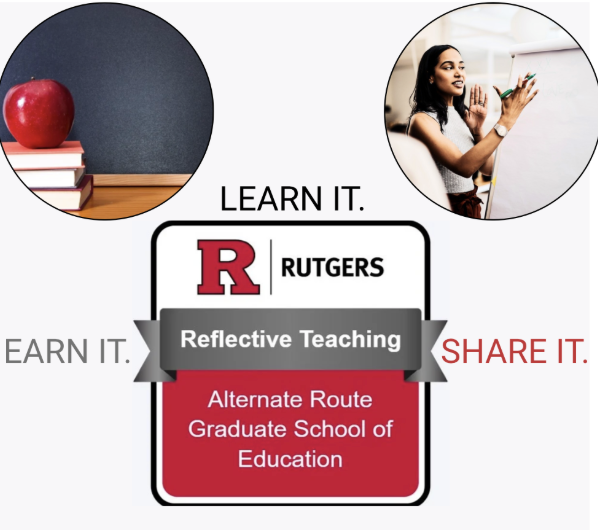
In the Rutgers Alternate Route program, the practice also leads to a Reflective Teaching micro-credential, which candidates earn upon completing the comprehensive, rigorous tasks embedded in the Supervised Provisional Teaching Year 2 course. This year, approximately 421 new teacher candidates earned the prestigious badge of distinction. Awarded digitally, candidates can proudly display their micro-credentials on their LinkedIn profiles and other compatible social media platforms. This dynamic visual representation allows potential employers to easily verify the credential's authenticity and understand the rigorous criteria behind its attainment.
The Rutgers Alternate Route program takes pride in its position at the forefront of the micro-credentialing trend, and its role in cultivating passionate educators dedicated to ongoing growth, as New Jersey needs both increased interest in the teaching profession and high-quality, growth-conscious candidates. Many badge recipients enthusiastically express the benefits they experienced while pursuing the reflective teaching exercises as part of the course.
Fostering Growth and Professional Development
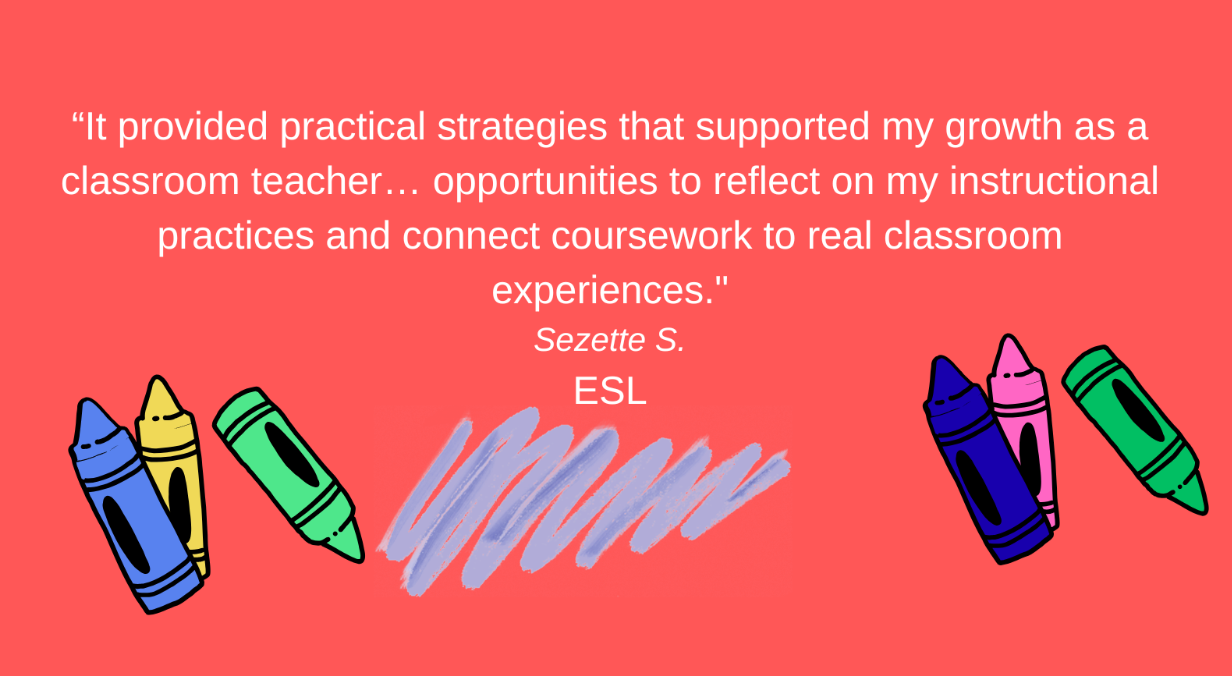
When teachers engage in purposeful self-study of their professional practice, they experience subsequent improvement in their performance. Teacher candidates in the Year 2 course consistently highlighted that the reflection assignments fostered growth by sharpening their instructional decision-making and making them more intentional in lesson planning and more aware of effective instructional strategies. Spanish teacher Alba Maldonado described the course as an enriching experience that helped her grow and expand her perspective as a teacher. She stated, "I became more intentional in my planning and gained a deeper understanding of effective instructional practices." Sezette Serano, who teaches English as a Second Language, agrees. She said, “It provided practical strategies that supported my growth as a classroom teacher… opportunities to reflect on my instructional practices and connect coursework to real classroom experiences."
Improving New Teacher Confidence
As new teachers assume ownership of their teaching careers by actively evaluating and revising their practice, their confidence soars. Halimah Sylvester shared these self-validating comments related to her experience and preparedness for teaching her elementary students: “This course allows me to confidently educate the students in the classroom.” Similarly, Special Education teacher Lukas Le-Page discussed how the course supported his teaching identity. He stated, “I also was able to identify my strengths as an educator as well as areas of improvement… I will use this information next year to become an even better teacher.” Mona Shaji, who also teaches Special Education, said that she truly enjoyed the experience and felt supported throughout the year. Her confidence also increased as she wrote, “The content helped me grow in my teaching practice and gave me clear direction on how to become a more efficient and confident teacher.”
Staying Learner-Focused
Reflecting on their teaching also helps in understanding student proficiency levels and needs, while informing instruction. Many candidates expressed a heightened learner-centered focus in their lesson planning. Yorky Cayateno, for example, referenced the course templates she used for planning her ESL lessons. She stated, “The templates allow candidates to be mindful of the different components that we need to take into consideration when planning and assessing our students.” FNU Lakshimi also emphasized to her students, most of whom are English learners, that effective teaching requires a willingness to adapt to student needs. She credits the class with preparing her to become a stronger teacher and advocate for her students.

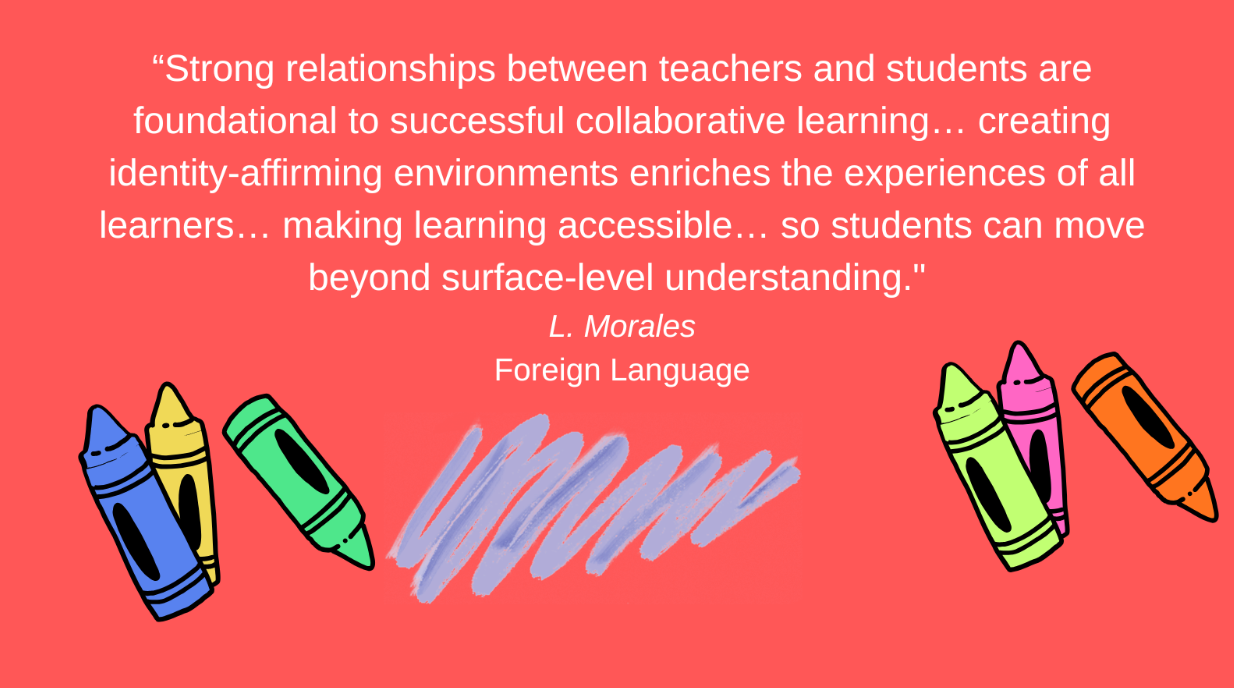
Ms. Maldonado weighs in here, too, expressing similar indebtedness to the course for its learner-focused outcomes. Speaking of the course, she said it helped her “…reflect on my teaching and receive feedback, which helped me better support my students.” Lanny Morales elevated the teacher-student relationship in her observations, stating, “Strong relationships between teachers and students are foundational to successful collaborative learning… creating identity-affirming environments enriches the experiences of all learners… making learning accessible… so students can move beyond surface-level understanding."
Collectively, these candidate reflections demonstrate that when educators actively examine their practice, they not only refine their skills but also cultivate a more responsive, confident, and impactful approach to teaching.
Rutgers Alternate Route proudly congratulates the 2025-2026 cohort of digital badge recipients on their outstanding achievement. These candidates join the more than 1600 program alumni who have received the Rutgers Reflective Teaching Microcredential since 2019 for their commitment to evaluating their instructional strategies and thoughtfully assessing how their decisions influence student learning outcomes.
 Heather Ngoma has over 25 years of experience collaborating with educators across New Jersey to drive education innovation. She currently serves as the Director of the Rutgers-GSE Alternate Route Program in the Department of Learning and Teaching, a program which helps career changers, recent college graduates, and other aspiring education professionals become licensed teachers in New Jersey. Follow her on Twitter @heatherngoma.